Explore Essential Tree Service Practices for Best Tree Maintenance
Understanding tree care is essential for keeping the surroundings healthy. Key practices such as mulching and pruning play significant roles in enhancing tree health. Furthermore, the right way to water are essential for new root growth. However, most people miss the symptoms of sick trees and the need for expert assistance. Looking into these areas can result in a better understanding for trees and their care. What measures can be adopted to guarantee their trees thrive?
Recognizing Why Tree Health Matters
Recognizing the value of healthy trees is vital, as trees are key players in keeping nature balanced and improving city settings. Vibrant trees help improve air quality, offer cooling shade, and provide refuge for nature. Trees also assist in reducing global warming by capturing carbon, making them essential for long-term ecological health.
Within metropolitan areas, healthy urban trees enhance the appearance, increase property values, and support public welfare. Having trees can lessen heat island effects in cities, which saves money on energy.
Failing to care for trees, in contrast, can lead to illness, insect problems, and find now unstable limbs, posing risks to the trees and nearby structures alike. Therefore, recognizing the indicators of tree health, such as leaf coloration, how the tree is growing, and the state of the bark, is vital for successful maintenance. In conclusion, caring for vibrant trees benefits not just private yards but the wider ecological system, emphasizing the need for proactive care and management practices.
Vital Trimming Practices
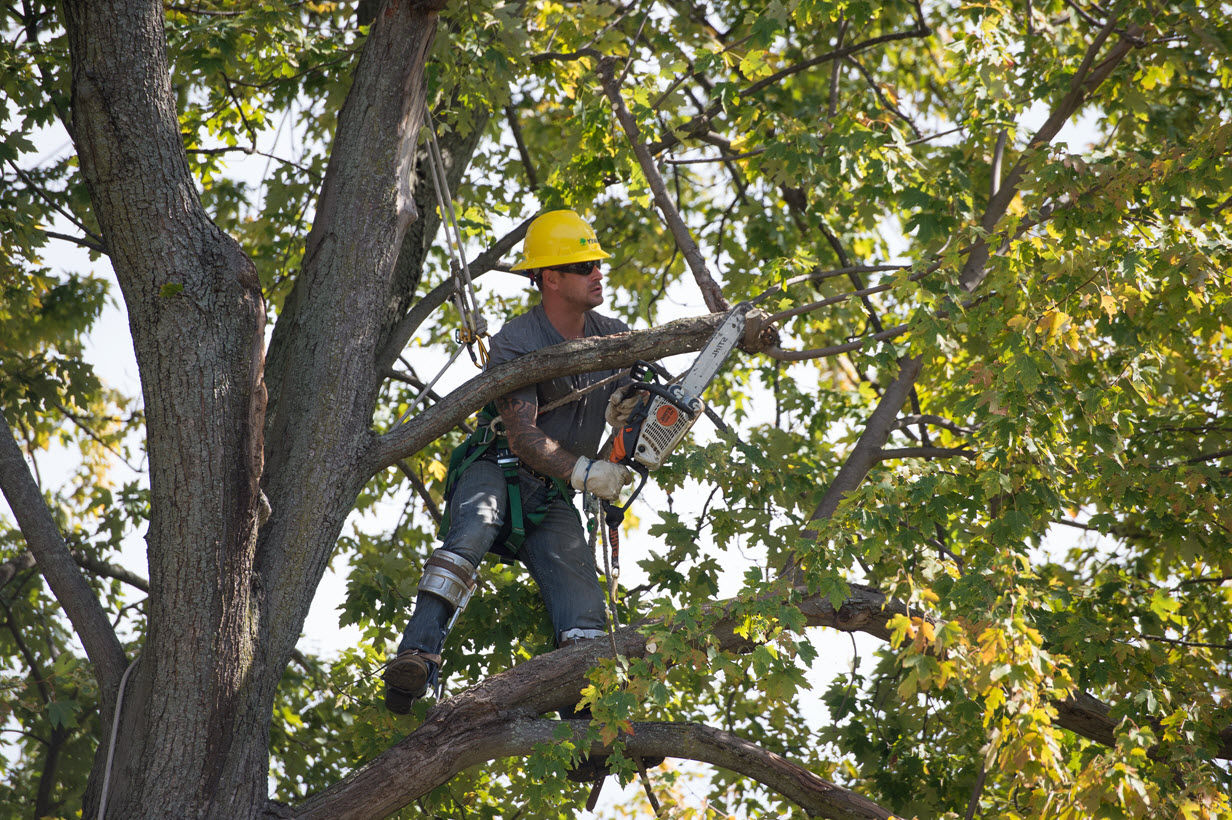
Cutting branches is a vital method in tree care that promotes strong growth and vitality, as it gets rid of sick or dead limbs and enhances air flow within the canopy. Employing proper techniques guarantees that trees can thrive in their environment.
An essential practice is "thinning," which requires careful branch removal to allow more light through and lessen the load on fragile branches. 'Heading cuts' is a different technique, where the tips of branches are trimmed to promote bushier growth, particularly for young trees. Additionally, the process of 'crown reduction' decreases the size and reach of a tree while preserving its inherent form.
Timing is essential; pruning during the dormant season lessens the impact and optimizes healing. Pruning implements must be sharp and sterile to minimize harm and the spread of pathogens. Grasping these critical pruning practices is vital for every arborist focused on preserving healthy and visually appealing trees.
Recognizing Typical Tree Ailments
What helps tree owners spot the indicators of typical illnesses that threaten their trees? Familiarity with key indicators is critical for prompt identification and treatment. These often include discolored or wilting leaves, possibly indicating a fungus or a lack of necessary nutrients. Strange developments, for example, galls and cankers, can signal the presence of pests or pathogens that compromise tree health. Additionally, peeling bark or oozing sap may indicate infections that demand quick action.
Owners must also monitor changes in tree structure, including leaf drop or branch dieback, suggesting a deeper, more serious issue. Monitoring for signs of insect infestations, such as holes in the bark or frass, is necessary too. Through vigilance and promptness, tree owners can identify these common diseases and find suitable treatments, to keep their trees healthy and vigorous throughout the seasons.
How Mulching Helps Trees
Mulching is a key technique in tree care, offering numerous benefits that promote healthy growth and durability. This technique requires placing a covering of organic or inorganic material around the base of a tree, which helps retain soil moisture, preventing weed growth, and stabilizing soil warmth. The mulch covering not only reduces competition from unwanted vegetation but also boosts the visual appeal of the landscape.
Furthermore, natural mulching materials, like bark or wood chips, gradually decompose, providing essential nourishment and enhancing the soil's composition. This ongoing process supports root development and fosters a healthier environment for the plant. In addition, mulch application minimizes soil erosion, maintaining the stability of the tree’s foundation. Appropriately spread mulch should be spread in a donut shape, avoiding direct contact with the trunk to stop decay. In conclusion, integrating mulch application into tree care routines significantly aids to the long-term health of trees.
Effective Watering Techniques for Trees
Effective tree care requires not only mulching but also appropriate watering techniques to promote the best growth and health. Tree specimens, specifically new plantings, demand regular water to establish strong root systems. It is vital to water deeply, as it promotes roots to descend where moisture is more consistent. Preferably, trees should receive about an inch of water per week, either via rain or additional watering.
It is best to water at dawn to cut down on evaporation and fungal diseases. One must be careful not to overwatering, which may result in root rot and related complications. One must check the soil for moisture before watering; when the top two inches feel dry, it’s time to water. Furthermore, employing a soaker hose or drip irrigation delivers a gradual, continuous stream of water, guaranteeing trees are sufficiently hydrated without the danger of water runoff. Effective hydration techniques greatly contribute to the general well-being of trees.
Hiring Professional Tree Services: Reasons and Necessity
When considering the health and aesthetics of a property, hiring professional tree services is often vital for homeowners facing complex tree care needs. Expert tree specialists have the expertise to determine tree vitality, identify diseases, and apply successful remedies. Professionals are familiar with local regulations regarding tree removal and maintenance, guaranteeing compliance and sidestepping fines
(Stillwater Tree Service)Property owners ought to hire experts when dealing with large trees, particularly those near structures or power lines, as improper handling can pose safety risks. Additionally, trees requiring pruning for aesthetic or health reasons profit from the expertise of trained specialists who can make accurate cuts to encourage development
Periodic maintenance, such as preparing for storms and clearing debris, also require expert help to keep the property safe and appearance. As a result, hiring certified arborists ensures optimal tree maintenance, which benefits greatly the entire outdoor space and real estate worth
Commonly Asked Questions
What Are the Signs if My Tree Is Drowning?
Symptoms of excessive watering are chlorotic leaves, wilting despite moist soil, decaying roots, and excessive leaf drop. In addition, the appearance of mushrooms at the tree's base can signal inadequate water runoff and excess moisture.
What Is the Best Time of Year for Tree Pruning?
The best time for tree pruning is generally in the cold months before spring prior to bud break - Stillwater Tree Service. This timing promotes healthy growth and lessens the impact on the plant, enabling rapid wound closure and development
Can Trees Recover From Severe Storm Damage?
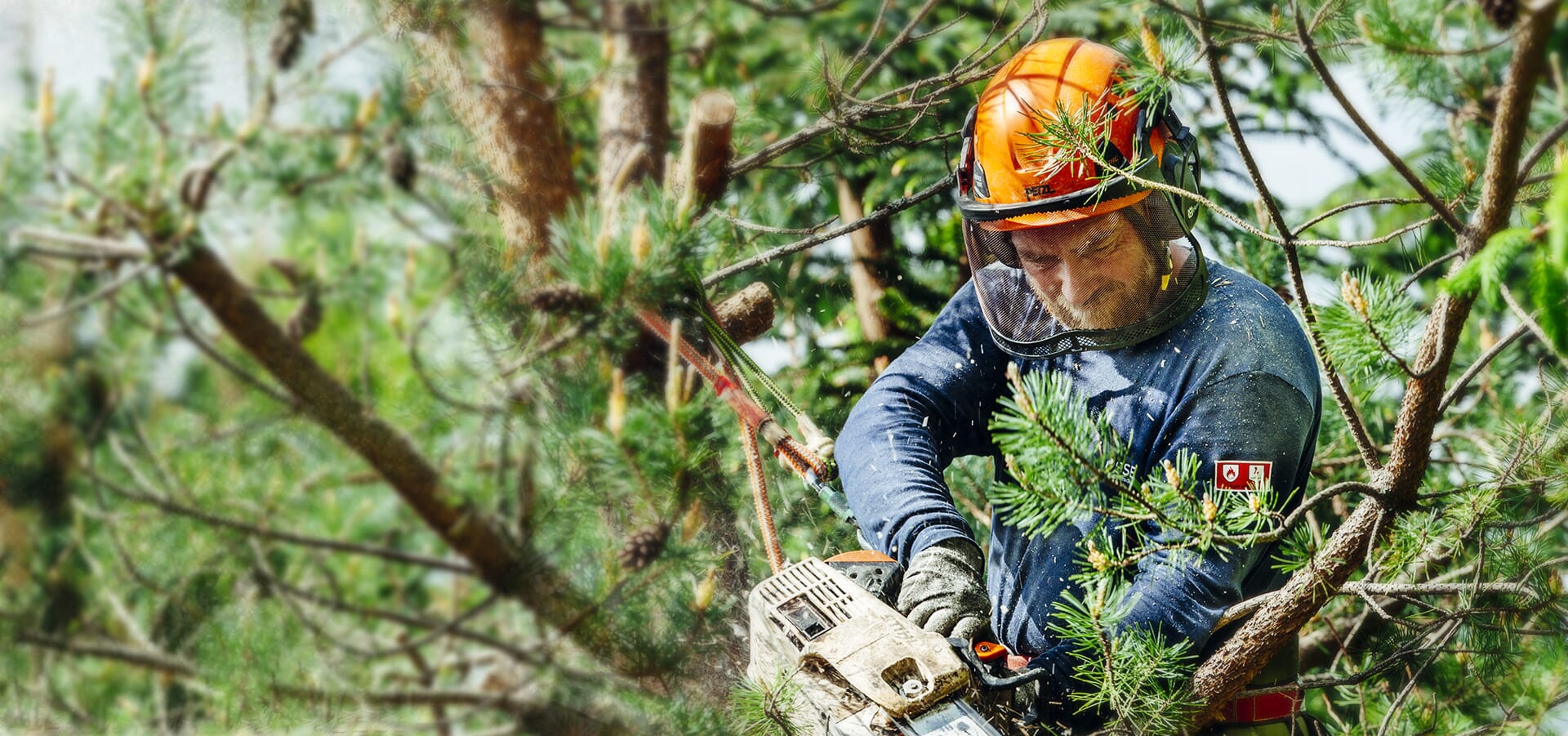
It is possible for trees to bounce back after severe weather. If maintained correctly, like trimming broken branches and ensuring sufficient hydration and feeding, many trees can regain their health and continue to thrive despite enduring major trauma.
What Is the Process for Selecting the Right Mulch for My Trees?
To choose the right mulch for trees, look for natural materials for example, bark nuggets or wood shavings, ensure a layer 2 to 4 inches deep, and keep mulch away from the tree collar to minimize fungal issues.
Are There Specific Trees That Require More Care Than Others?
Certain trees, for instance, new plantings and orchard trees, need extra maintenance due to their sensitivity to environmental changes and specialized fertilization demands. Consistent observation and customized care routines are essential for their health and development.